
Photos - Tim Tate
EATING OUT – AND HEALTHILY
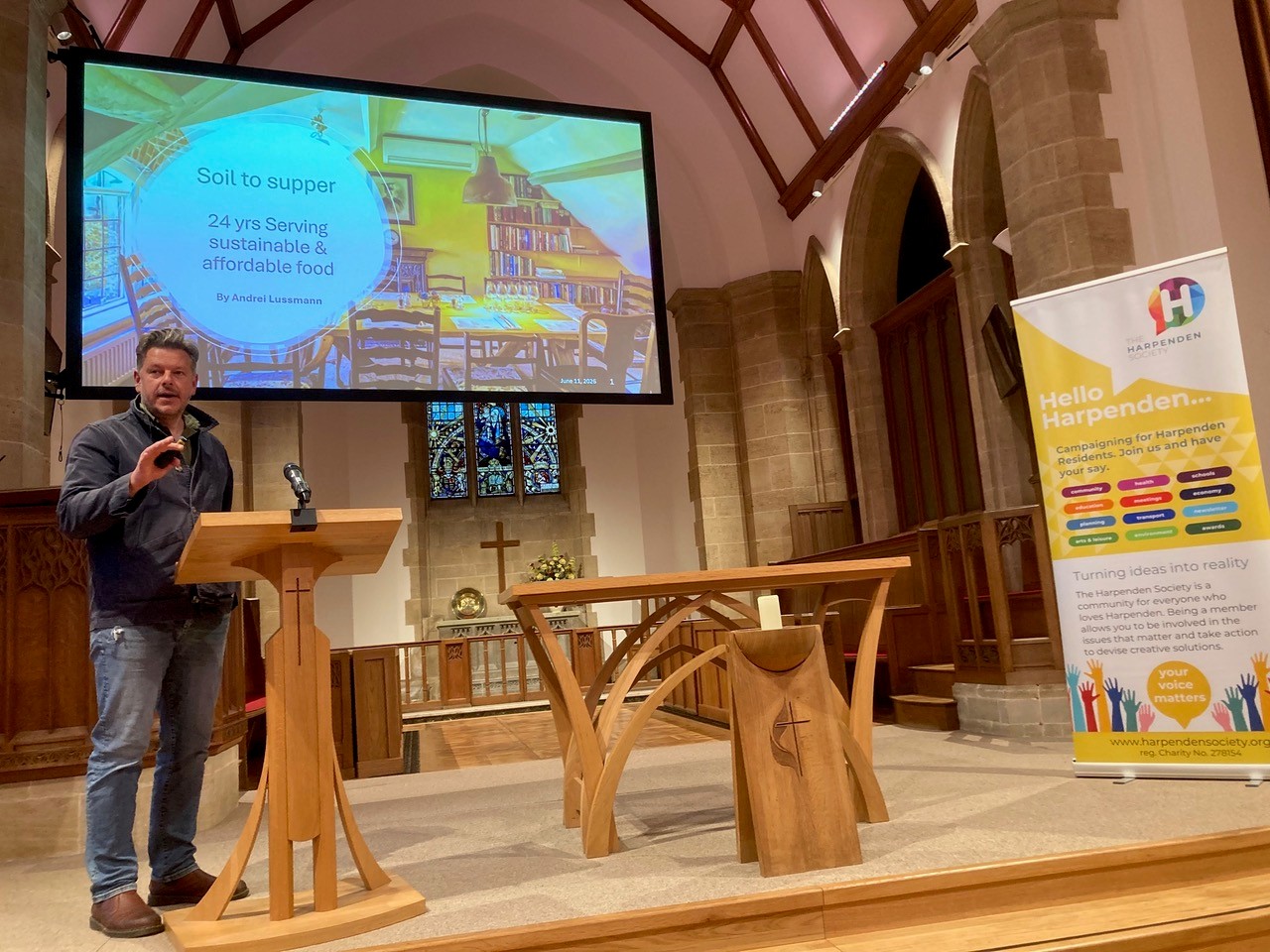
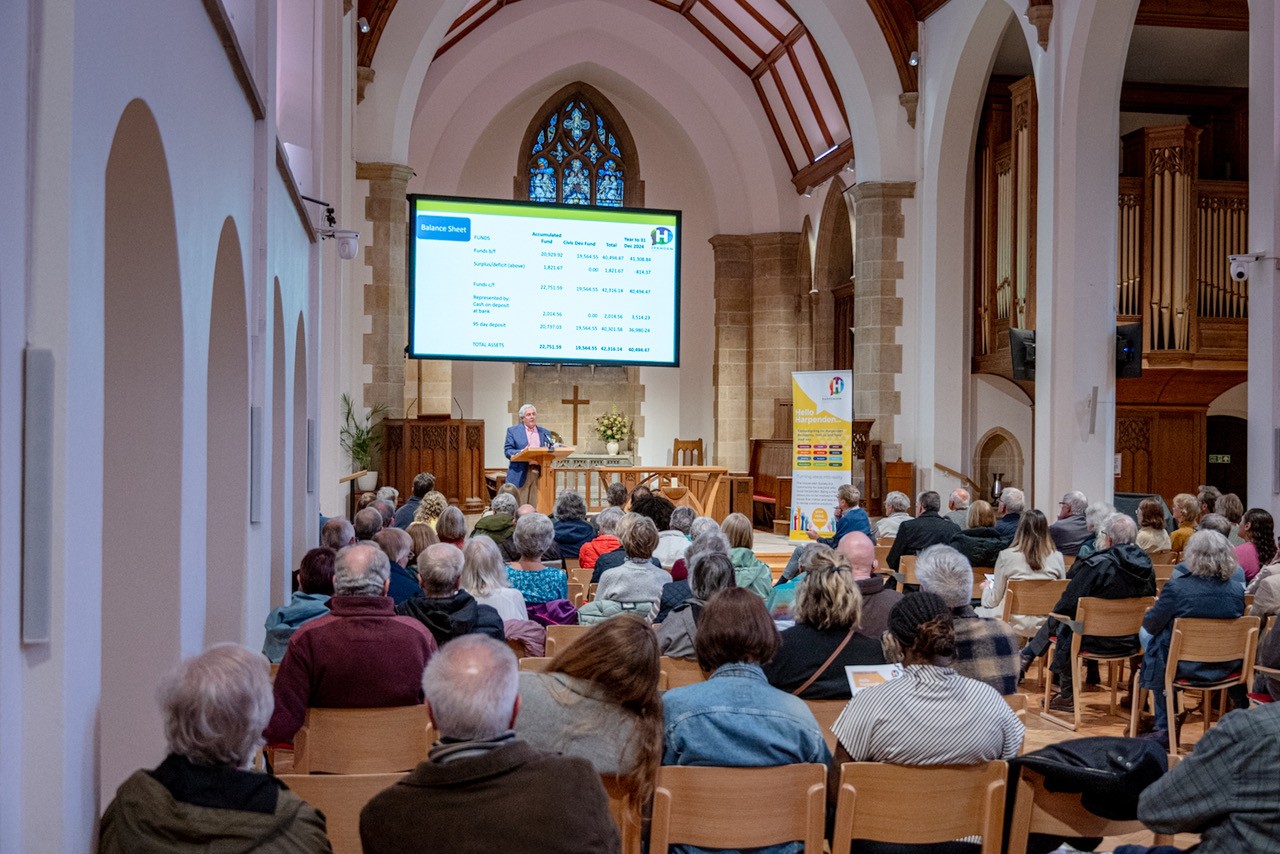
At the Harpenden Society’s June public meeting, under the heading of ‘Soil to Supper’, local restaurateur Andrei Lussmann spoke of the challenges today facing those ecologically-minded caterers striving to maintain sustainability. He told an 80-strong audience, in High Street Methodist Church, how, across the Lussmanns chain of five restaurants, including the one in Leyton Road, Harpenden, the sourcing of ingredients aimed to support ethical standards in farming and fishing. Locally, that included a close working relationship with Hammonds End Farm where farmer Stuart Roberts pursued an organic agricultural policy.
Fish dishes figure prominently on Lussmann’s menus and Andrei said protection of fish stocks in our seas influenced the choice of fish offerings on his restaurant menus. And wherever possible UK sourced ingredients were selected rather than imported, sometimes cheaper, alternatives. Apart from such an obvious merit as freshness, there was, he said, the carbon footprint and hence climate change consideration in transporting foodstuffs over long distances, by sea, air or road.
Sustainability and its importance for the environment and for the health of the planet had, said Andrei, become a byword in many areas of 21st Century life, not least in the catering business, although he admitted that even as a child, he was exhorted by his mother in the kitchen to minimise waste and to make the most of available ingredients.
Lussmann’s restaurants are noted for their fish dishes. Among the items on their summer menu for example are ‘south coast sprats’, ‘Devon white crab croquettes’, ‘ChalkStream trout’ and ‘whole Cornish sole’. Andrei said the company does its best to ensure that none of its fish supplies are a product of over-fishing, thereby helping importantly to conserve fish stocks.
He added that ‘we try, where possible, to buy British, and not just fish of course, for sustainability, not necessarily patriotic, reasons’. English cheeses figure prominently on Lussmann’s menus, as do a number of wines from UK vineyards, including award-winning champagne-type sparkling wines from grapes grown in Kent and Dorset.
As well as Hammonds End Farm on its Harpenden doorstep, Lussmann’s regularly sources premium organic produce from a specialist farm in Wales which, admitted Andrei, has its environmental downside in terms of the unavoidable carbon footprint involved in transport mileage.
Andrei said he and his restaurant managers have had to ‘think on our feet’ to take account of social changes, including the way people go out to eat. The risk of drink driving was now much more of an issue and restaurants like Lussmanns were seeing more group bookings.
Vegetarians were now reckoned to constitute 3 to 4% of the UK population and their preferences had to be catered for, which meant widening menus. And there was, he pointed out, an implication of ever bigger menus – in other words an ever wider customer choice – and that mitigating against food freshness.
Andrei asked rhetorically what was the secret of Lussmann’s ongoing success over nearly 25 years of catering for discriminating diners’ tastes? Quite apart from the quality of the food he said a key factor had been, and continues to be, the retention of enthusiastic staff, not just in welcoming customers and waiting at table, but behind the scenes in the kitchen, where knowledge and experience, in a convivial atmosphere paid major dividends.
Growing it locally – and healthily
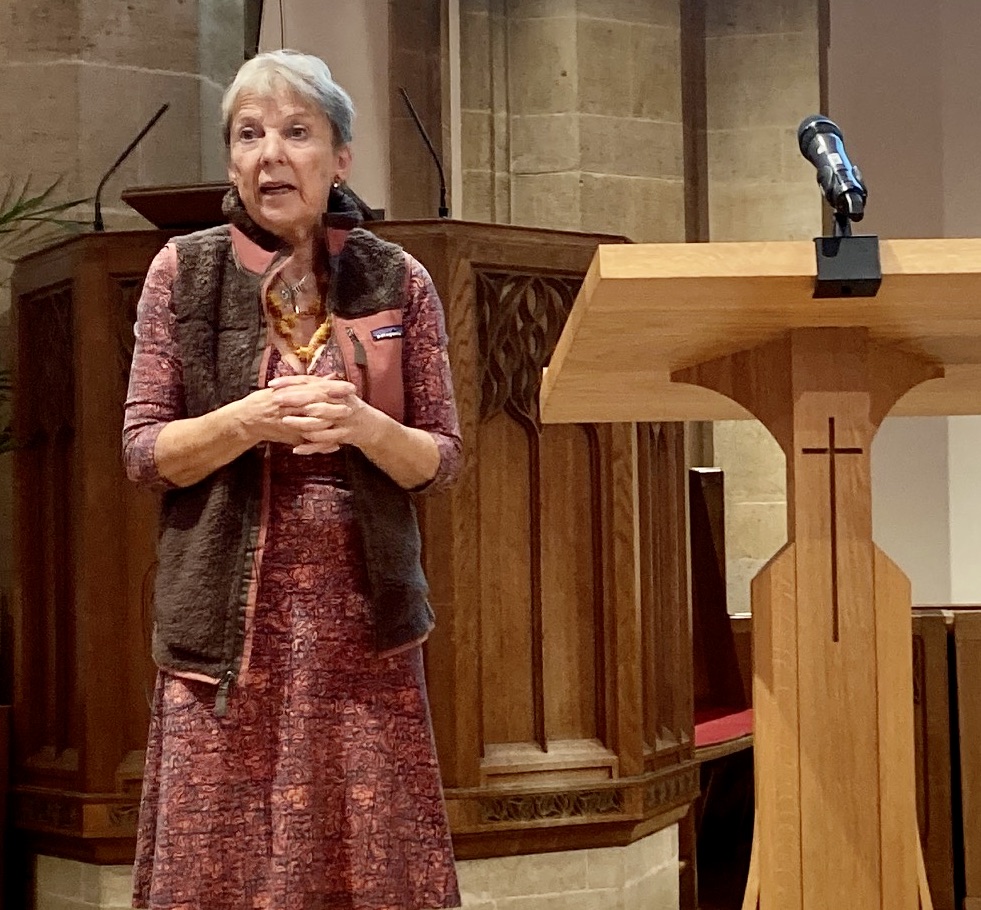
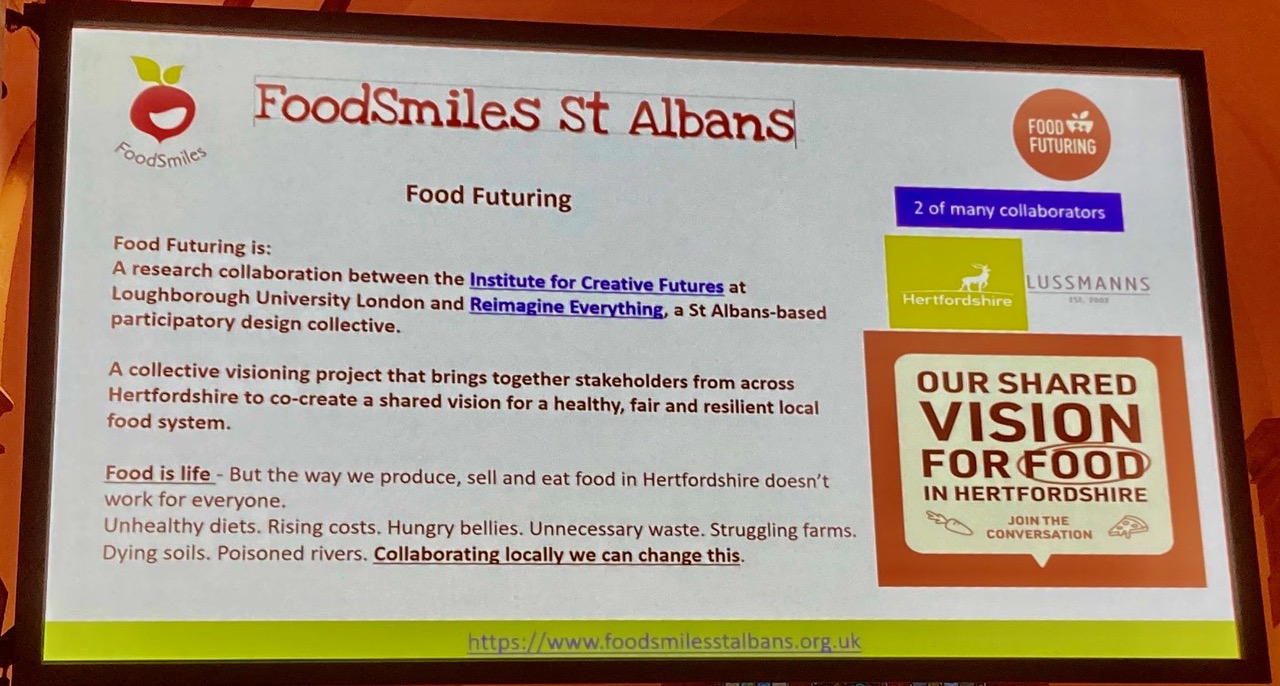
The UK’s regrettable dependence on imported food supplies – as much as 45% at the last count – provided a launch platform for the second speaker at June’s Harpenden Society meeting, Herts County Councillor Dr Allison Wren, who outlined the entirely volunteer-run FoodSmiles St Albans organisation.
Now established for more than a decade, its mission statement is ‘Community Supported Agriculture’, being a partnership between farmers and consumers in which the responsibilities, risks and rewards of food production are shared. Dr Wren said the resulting ‘community gardens’ addressed, in a radical way, what are increasing concerns about the lack of transparency, sustainability and resilience of our food system imposed by the big supermarkets and their suppliers.
Locally, the enterprise started in 2013, when a small group connected to Transition St Albans (now Sustainable St Albans) came together to create a local food-growing scheme. The project was designed to benefit the local area by producing organic food, building community involvement, and encouraging sustainable growing. The following year, after being unable to find suitable land in St Albans itself, the group began work at Hammonds End organic farm in Harpenden, Stuart Roberts having kindly made available a small plot which FoodSmiles members cleared and restored, repairing polytunnels, building compost bins, and making the ground ready for planting.
Dr Wren said ‘we naturally followed the organic principles established over several decades at Hammonds End, employing methods that harmonise with nature, recognising the need for food production and care for the environment to function side by side, addressing the big challenges of climate change, biodiversity loss and antibiotic resistance’.
FoodSmiles St Albans held its first AGM in 2015 and expanded through grants and crowdfunding to pay for a packing shed (where produce could be boxed ready for distribution) and four polytunnels. A polytunnel, it should perhaps be explained, is a longAndrei Lussmann , semi-circular tunnel comprising a metal frame covered in heavy-duty polyethylene sheet, acting like a greenhouse to trap solar heat and protect crops from harsh weather and, in doing so, extending the growing season.
FoodSmiles also became a Community Benefit Society, allowing the group to sign a formal tenancy agreement and adopt a legal structure. From 2016, the organisation was able to broaden its role, leasing another plot of land at Hixberry Lane, St Albans. Meanwhile, in the heart of the city, close to the Civic Centre, a small community garden under the name ‘Incredible Edible’ was established for the cultivation of berries and rhubarb as well as some vegetables and herbs.
By 2019, FoodSmiles St Albans had built up a membership of 35 enthusiastic, male and female and ethnically diverse amateur gardeners, harvesting around 3500lb (1,600kg) of produce annually. ‘While our main activity of course means enjoyably getting our hands dirty’, said Dr Wren, she made a point of mentioning the organisation’s peripheral educational and social activities, all aimed at making FoodSmiles a community network centred on sustainability, learning, and local participation, backed by detailed record keeping. FoodSmiles’ vegetables and fruit are distributed to members, typically weekly, following regular harvesting sessions.
To download Andrei Lussmann's presentation please click here.
Dr Wren's presentation can be downloaded by clicking here.